Optimizing Your Device for IN111 Tournaments
The first step towards enhancing your tournament performance is ensuring that your device is optimized. This includes adjusting settings to maximize frame rates and reduce lag. Regularly clear your device’s cache and close unnecessary applications to free up resources. This will allow you to focus solely on your gameplay without interruptions.
Additionally, consider using a wired connection instead of Wi-Fi to minimize latency. A stable connection can make a significant difference in fast-paced tournament scenarios. For more tips on improving your device's performance, check out our guide on game performance optimization.
- Adjust graphics settings for better performance
- Use a wired connection when possible
- Regularly update your gaming software and drivers
Mastering Game Mechanics
Understanding the mechanics of the games you participate in is crucial. Each game within the IN111 platform may have unique rules or strategies that can greatly affect your gameplay. Spend time familiarizing yourself with these aspects, as they can give you a competitive edge over your opponents.
In addition to knowing the rules, observing top players can also provide insight into effective strategies and techniques. Watching replays or streams can help you learn how to adapt to different scenarios during tournaments. For more strategies, refer to our article on common tournament mistakes.
- Learn the rules and mechanics of each game
- Watch experienced players for strategy insights
- Practice regularly to enhance your skills
Strategic Planning for Tournament Success
Prior to entering a tournament, develop a strategic plan that considers the specific game format and your competitors' likely strategies. Being prepared for different scenarios can help you make informed decisions during gameplay. This planning phase is essential for maximizing your chances of success.
Utilize tools and resources available on the IN111 platform to analyze your previous performance. Understanding your strengths and areas for improvement can greatly enhance your gameplay. For further reading on tournament formats, check out our tournament format analysis.
- Develop a flexible game plan
- Analyze past performances for insights
- Adapt strategies based on opponents
The Importance of Practice
Regular practice is vital for honing your skills and refining your strategies. Set aside dedicated time to play, focusing on particular aspects of your gameplay that need improvement. This could involve working on your reaction times, decision-making, or even specific game mechanics.
By engaging in practice sessions, you will build muscle memory and confidence, which are crucial during high-pressure tournament situations. For more detailed tips on improving your gameplay, visit our bonus usage tips page.
- Create a practice schedule
- Focus on specific skill areas
- Track your progress over time
Common Mistakes to Avoid
One of the most common mistakes players make in tournaments is underestimating their opponents. Always approach each match with respect for your competitors and be prepared for unexpected tactics.
Another mistake is failing to manage in-game resources effectively. Keep an eye on your supplies and make sure you are not caught off guard, especially in high-stakes matches.
- Never underestimate your opponents.
- Manage in-game resources carefully.
- Stay adaptable to changing match dynamics.
Tips for a Smooth Withdrawal Experience
To ensure a smooth withdrawal experience, keep your account updated and familiarize yourself with the policies. Understanding the rules of withdrawal can help mitigate delays.
Also, consider using methods known for quicker processing.
- Review withdrawal policies regularly.
- Use reliable and fast banking methods.
- Stay informed about potential delays.
Conclusion
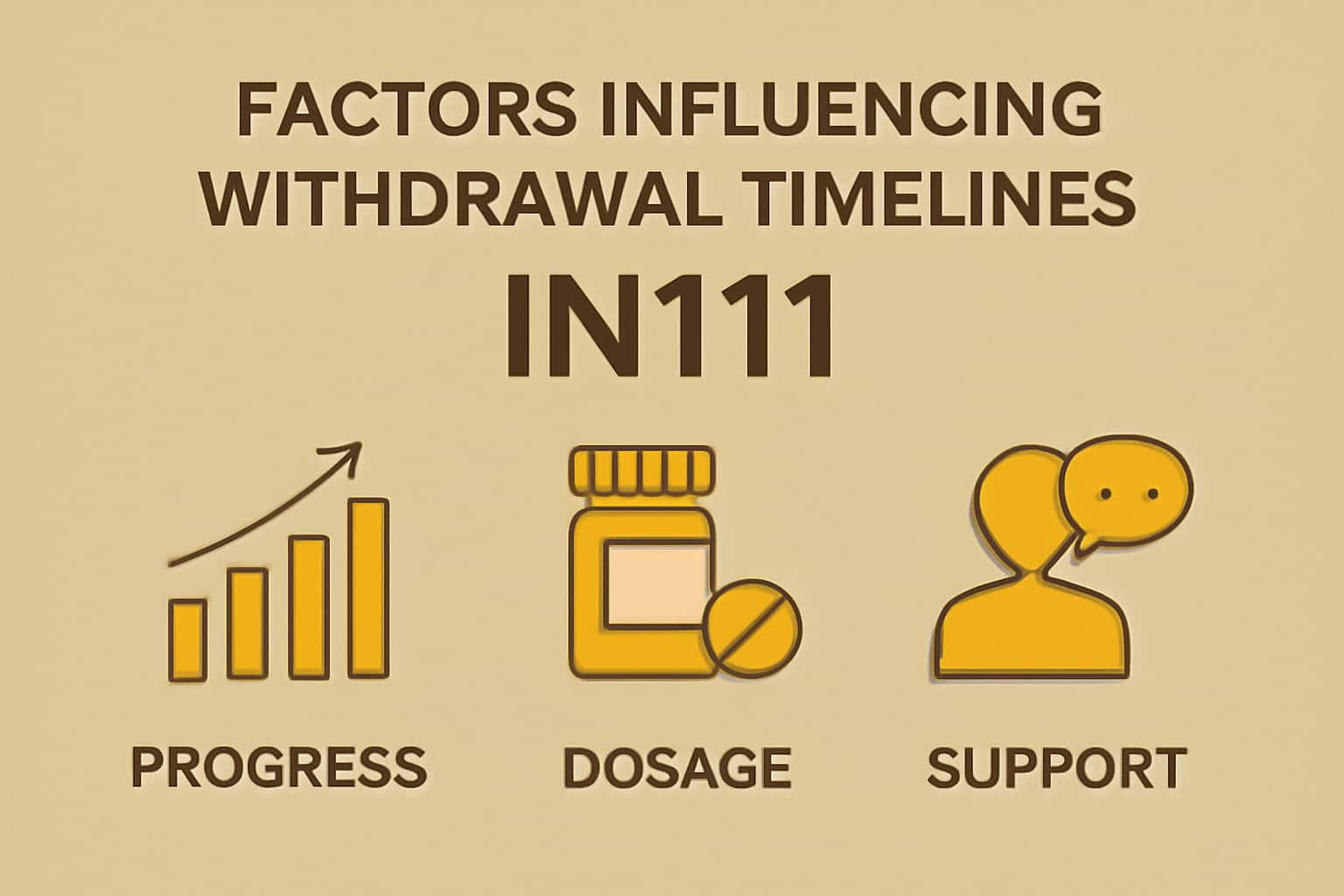
In conclusion, understanding the factors influencing IN111 withdrawal timelines is essential for effective account management. By ensuring your account is verified and selecting optimal transaction methods, you can streamline the process.
For more detailed insights, explore our understanding delay timelines guide.